
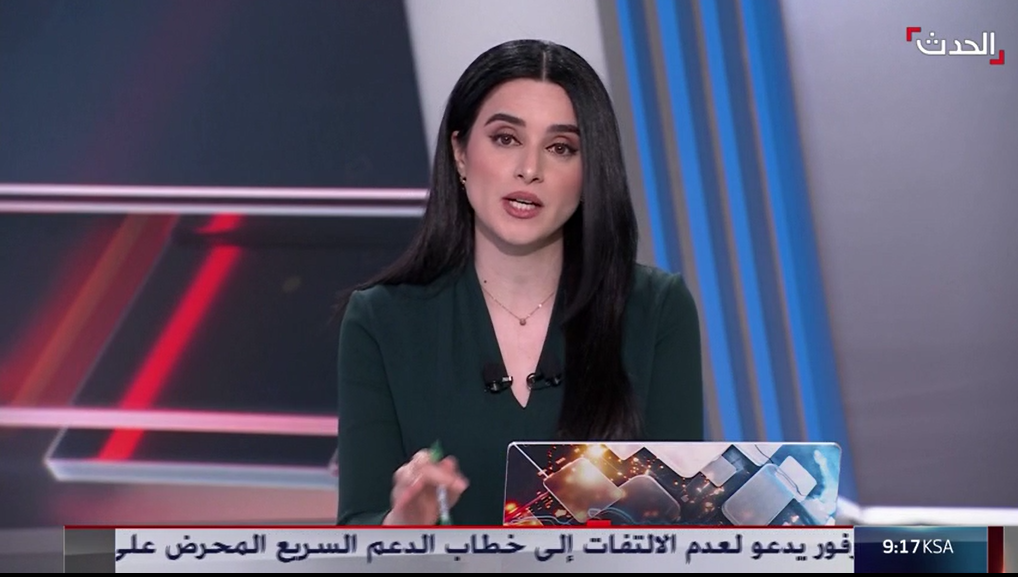

ELZUBI to Shams TV: Jordan Boosts Readiness Amid Bab al‑Mandeb Shipping Turmoil
ELZUBI to Shams TV: Jordan Boosts Readiness Amid Bab al‑Mandeb Shipping Turmoil
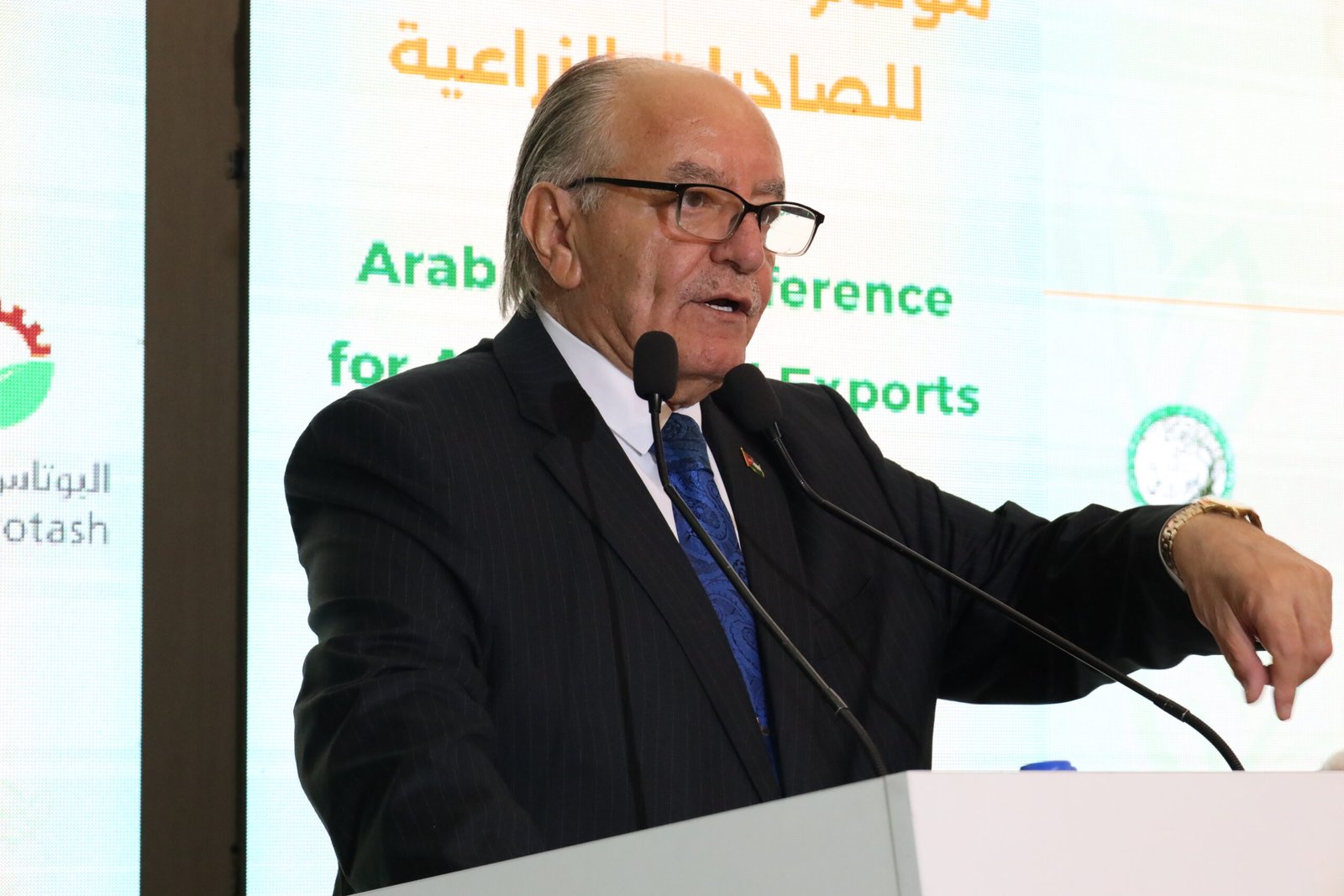
ELZUBI to Al‑Rai: Levantine Agricultural Integration Begins with a Single Equivalence File
Dr. Fadel ELZUBI emphasized that agricultural integration in the Levant will not begin with new councils or broad agreements, but with verifiable trust and respect for water. He called on Jordan to lead, given its regulatory readiness and urgent need for action.
He warned that mutual recognition is premature, as systems remain unequal, and Gulf markets will not accept the weakest link. The practical path is product‑by‑product equivalence, backed by traceability and accredited labs.
ELZUBI dismissed the notion of a “regional food basket,” stressing that water scarcity makes grain self‑sufficiency impossible. The correct measure is water productivity—value and jobs per cubic meter—through efficient protected farming, seed production, reuse of treated water, and rain‑fed olives.
He concluded that what is needed is not another ministerial council, but bilateral corridors, shared verification platforms, and regular exchange of drought and pest data, with Jordan positioned to lead in standards, labs, and irrigation expertise.
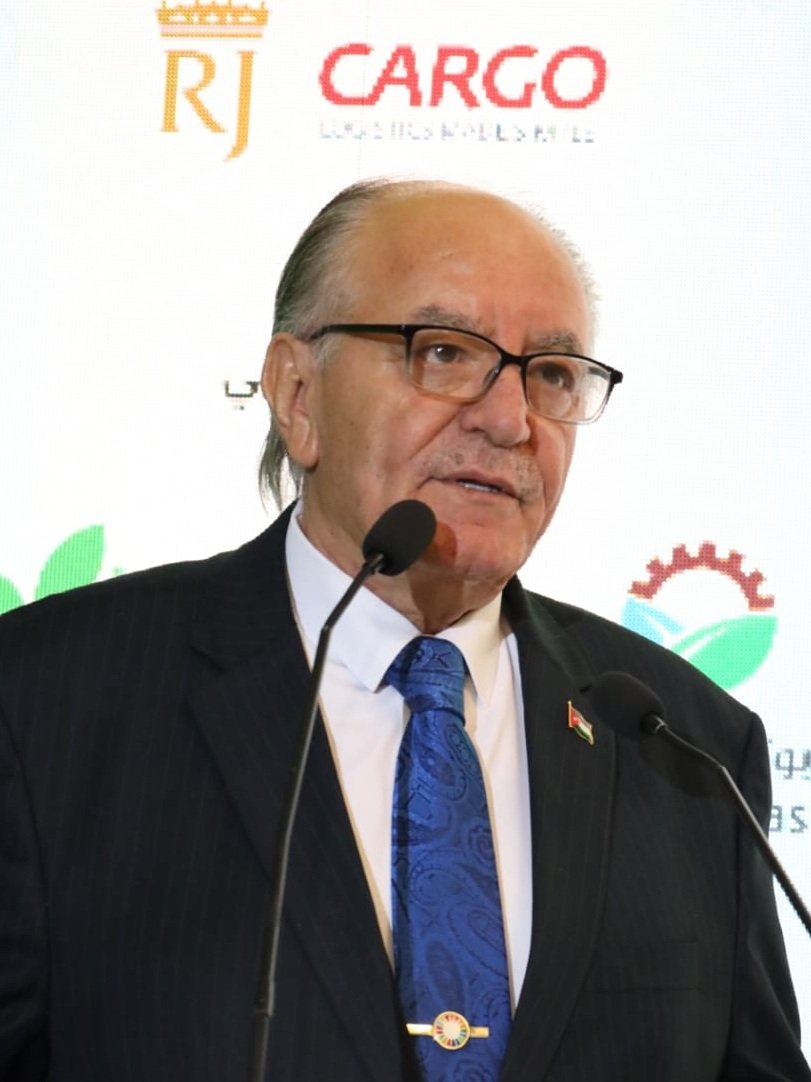
ELZUBI to Al‑Ghad: Our Local Wheat: A Gain for the Countryside Before the Reserve
ELZUBI to Al Ghad: Dr. Fadel ELZUBI stressed that raising government allocations for buying local wheat and barley to 59 million dinars this season is more than a reserve measure—it injects cash into rural communities, protects rain fed farmers from price and marketing risks, sustains land in production, and supports village economies. While benefits risk concentrating among large producers, proper collection mechanisms and timely payments can ensure smallholders share the gains. Though local output remains rain dependent and modest compared to imports, each ton carries strategic weight, especially in crises, and barley support directly lowers livestock costs and strengthens rural incomes.
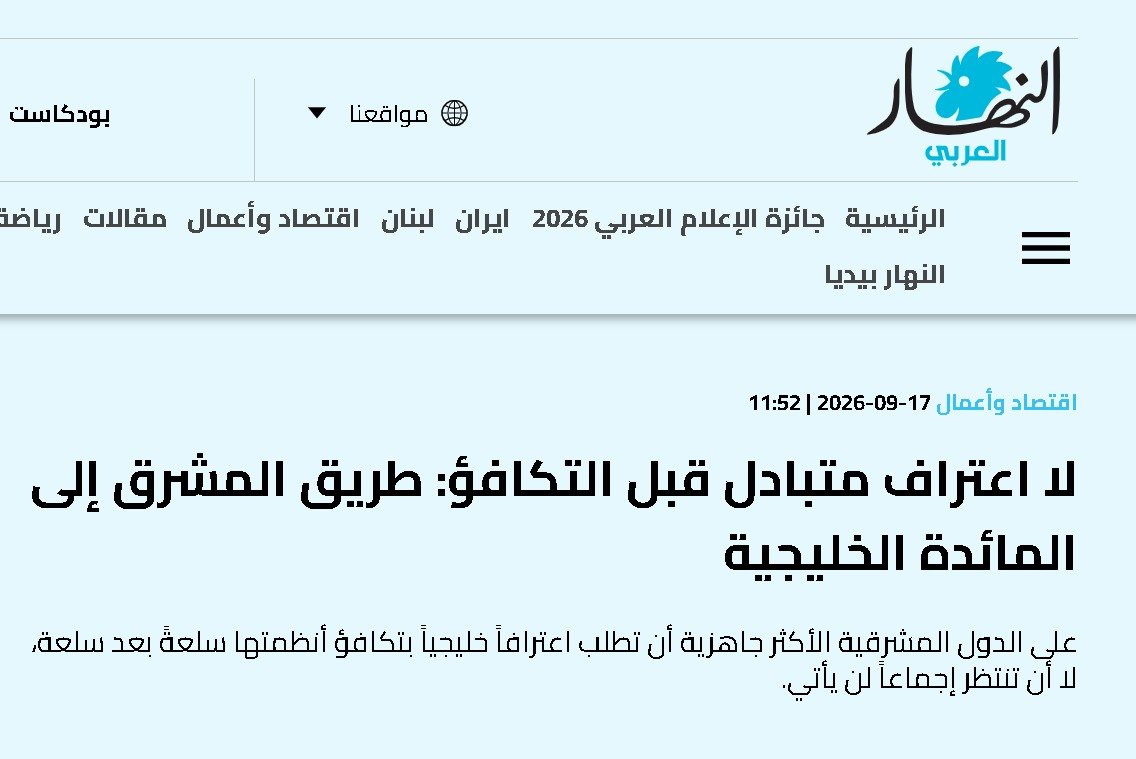
ELZUBI to Beirut’s An‑Nahar: No Mutual Recognition Before Equivalence – The Levant’s Path to the Gulf Table
No Mutual Recognition Before Equivalence – The Levant’s Road to the Gulf Table
Calls for “mutual recognition” between Levantine and Gulf food systems are premature. The Gulf market does not need declarations; it needs proof. The realistic path is for the most prepared Levantine states to seek Gulf recognition of equivalence in specific commodities, product by product, rather than wait for a consensus that will never come.
The Gulf imports most of its food and re exports part of it under strict standards. Trust collapses quickly—as seen in 2021 when Saudi Arabia halted Lebanese produce after narcotics were found in pomegranates. The issue was not quality but the failure of inspection and traceability. Recognition of equivalence, if well designed, serves Gulf interests: lowering border costs, diversifying nearby supply, and retaining audit rights.
Jordan’s institutions are assessable; Lebanon’s are eroded; Syria is rebuilding; Palestinian exports remain hostage to crossings. Only Jordan is a WTO member, meaning Gulf states are not legally bound to recognize equivalence with the others. Yet a pilot framework—anchored in Codex guidelines, accredited labs, digital registries, harmonized pesticide limits, and secure certificates of origin—could create a model. Success by one state sets the benchmark for others.
The first step requires no summit: a formal request from agriculture and food authorities to Saudi Arabia’s Food and Drug Authority for joint evaluation of fresh produce systems. Trust is not won by ministerial statements; it is built by systems that withstand scrutiny.
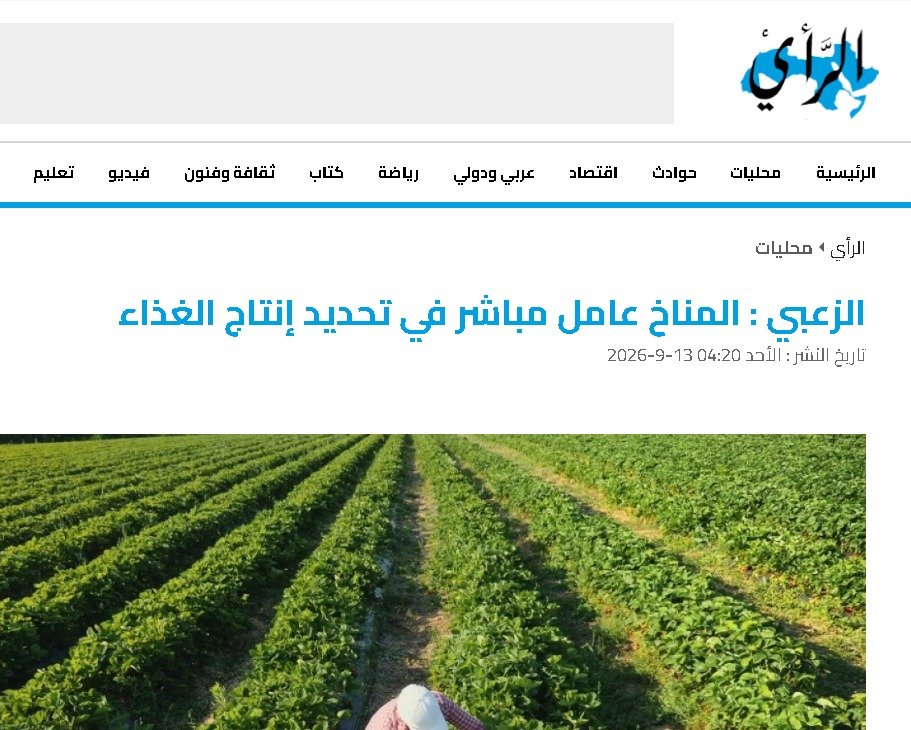
ELZUBI to Al-Rai: How Do We Produce More with Every Drop of Water?
Dr. Fadel ELZUBI, food security expert and Secretary-General of the National Alliance to Combat Hunger, stressed that climate change in Jordan is no longer a distant environmental phenomenon debated in international conference halls. It has become a pressing issue that reaches the dining table of every Jordanian family, affects the income of farmers in Ramtha, Mafraq, and the Jordan Valley, and determines the water levels in dams that citizens anxiously monitor each winter with legitimate concern.
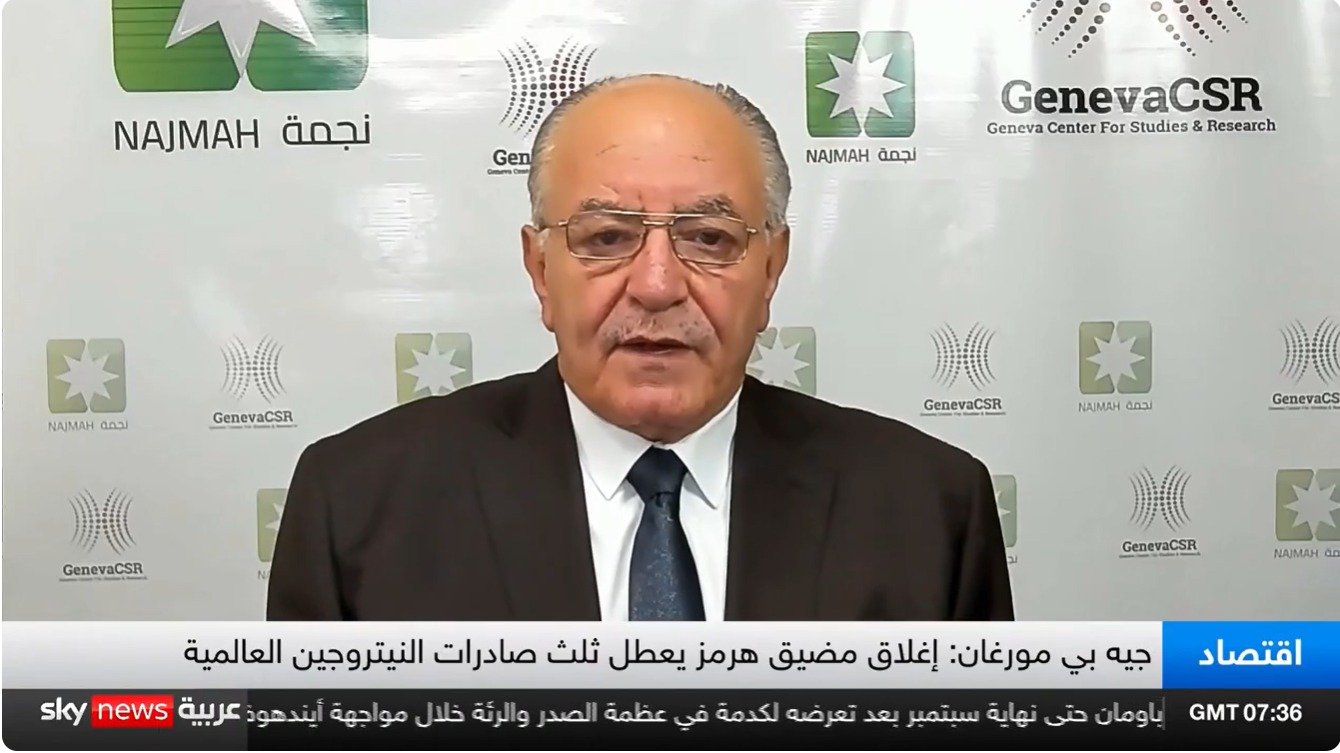
ElZubi on Sky News: Food Prices
The FAO Food Price Index rose in August 2026 to 133.3 points (+1.9%), with increases across all commodity groups, though it remains 16.8% below the peak of March 2022.