
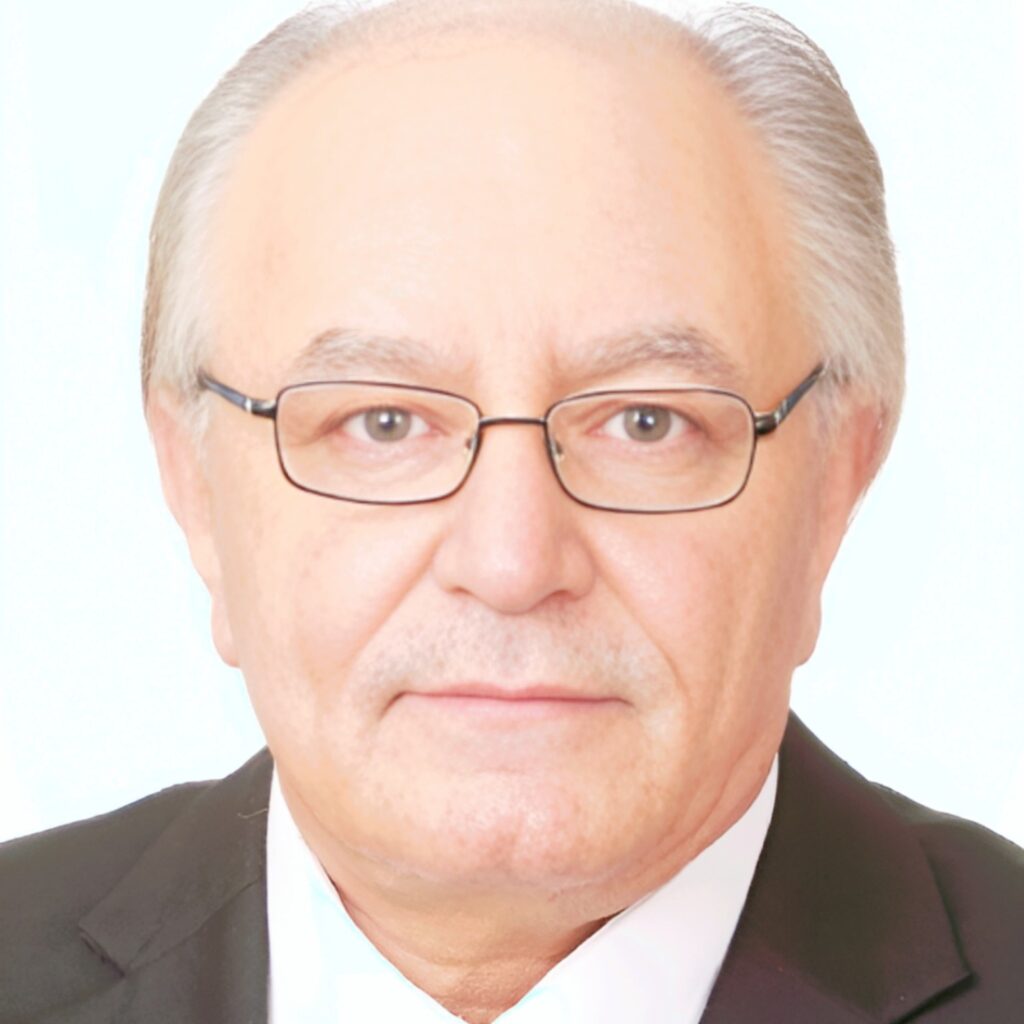
ELZUBI to Al-Ghad: Food Security: What Agricultural Model Do We Need?
International food security expert Dr. Fadel ELZUBI stressed that building a more efficient and sustainable agricultural model is no longer optional but a necessity. He explained that such a model must be based on managing resources rather than exhausting them, and on maximizing added value rather than merely increasing quantities. According to him, Jordan needs smart agriculture that knows how to utilize every cubic meter of water and every kilowatt of energy, transforming production into genuine economic and social value.
ELZUBI emphasized that the first requirement of this model is to place water and energy at the center of the equation. He argued that Jordan cannot continue with traditional irrigation methods or rely on costly energy sources while modern alternatives such as drip irrigation and solar power are available.
He added that agricultural production must be diversified and aligned with market needs, rather than remaining confined to traditional crops that often lead to unsellable surpluses and price collapses.
ELZUBI further noted the importance of strengthening food processing and linking farmers to value chains, since true value lies not in raw quantities but in transforming them into processed products that can be stored and exported.
He stressed that no fair model can exist without reforming wholesale market pricing mechanisms, ensuring that farmers receive prices that cover their costs and encourage them to continue, instead of leaving profits to middlemen.
However, ELZUBI acknowledged that this model faces clear obstacles. The first is the lack of institutional coordination between the Ministry of Agriculture and the authorities responsible for water, energy, and trade, which leads to conflicting policies and weakens farmers’ ability to plan.
The second obstacle is the current pricing system, which leaves farmers at the mercy of intermediaries in wholesale markets, preventing them from covering costs while consumers fail to obtain fair prices.
He also pointed to weak agricultural financing, as loans remain limited, conditional, and do not account for long production cycles or climate risks, leaving farmers exposed to crises. The absence of effective market oversight further exacerbates the problem, allowing price manipulation without genuine intervention to protect producers and consumers.
Finally, ELZUBI highlighted that traditional agricultural culture among many farmers hinders the adoption of modern technologies. Even when solutions exist, psychological and financial barriers remain, especially since more than 80% of farmers own small plots that do not allow investment in costly technologies. He concluded that here lies the role of the state in providing incentives, technical support, and financial assistance to enable this transition.