
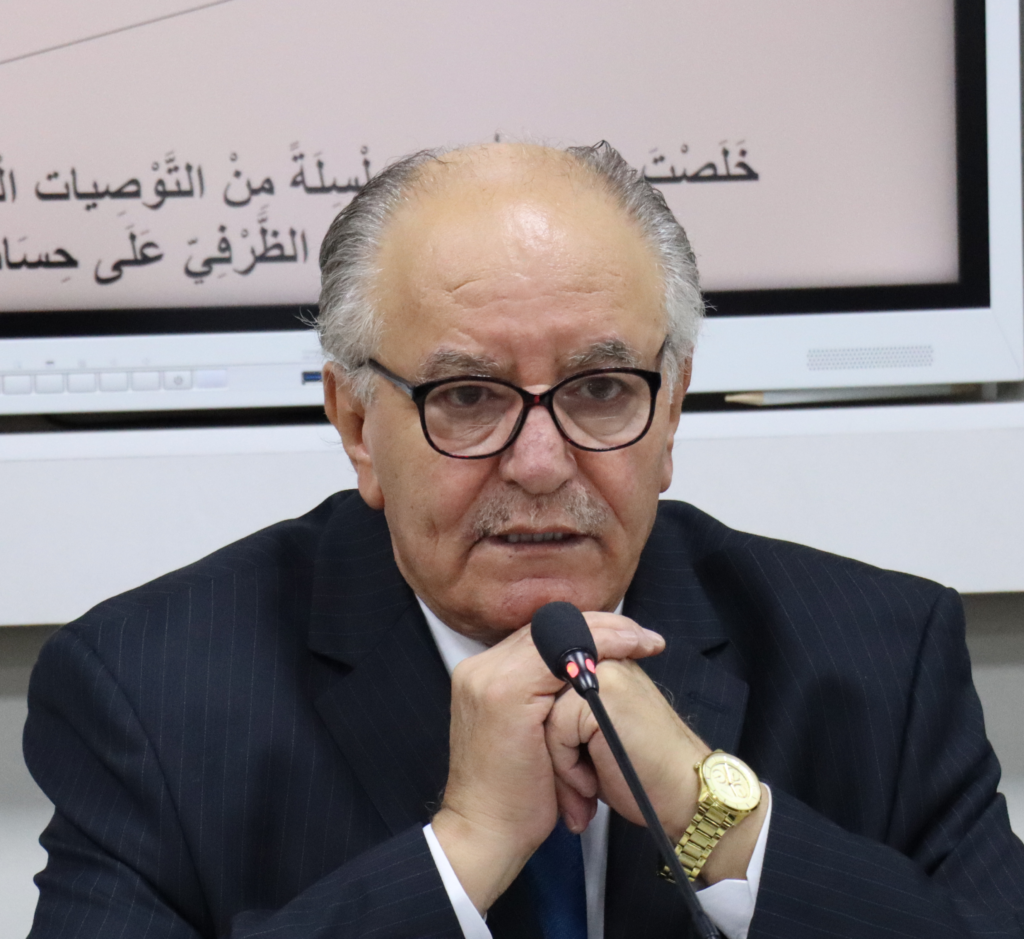
International food security expert Dr. Fadel ELZUBI explained that, amid rising demand for red meat and soaring prices in the local market, the Ministry of Agriculture plays a pivotal role in managing the import file under a strict regulatory framework. This system begins months before any shipment arrives and ends with on-site inspections at the border.
ELZUBI added that this framework is not built solely on internal administrative decisions, but rests on two international reference pillars: the World Organisation for Animal Health (WOAH) and the Food and Agriculture Organization (FAO) through the Codex Alimentarius Commission.
Within this framework, WOAH issues the Terrestrial Animal Health Code, which sets global standards for animal health, welfare, and veterinary public health, including safe international trade in live animals and their products. As a WOAH member, Jordan is legally bound to comply with these standards, particularly the requirement to conduct import risk analysis when WOAH has no specific recommendations for certain pathogens or commodities.
ELZUBI further noted that FAO, through Codex, provides international standards, guidelines, and codes of practice to protect consumer health and ensure fairness in food trade. These are recognized under the WTO Agreement on Sanitary and Phytosanitary Measures (SPS) as the global reference for food safety. The SPS Agreement encourages WTO members to harmonize their national legislation with Codex food safety standards, WOAH animal health standards, and the International Plant Protection Convention. Jordan, as a WTO member and a participant in WOAH and FAO, is obliged to align its procedures with these frameworks.
No new country of origin can be approved unless its epidemiological safety is proven. According to WOAH, importing countries must review health information on exporting countries, verify regulations, and ensure freedom from listed diseases, supported by immediate reporting of outbreaks. Jordan relies on WOAH’s WAHIS database to monitor high-risk diseases such as foot-and-mouth disease, bovine spongiform encephalopathy (mad cow disease), and rinderpest. No origin is opened if an active epidemic exists, regardless of price or supply attractiveness.
ELZUBI explained that WOAH also sets a standardized model for veterinary certificates in international trade of live animals. Jordan’s Ministry of Agriculture requires such certificates to be signed by an officially authorized veterinarian in the exporting country. Codex principles further stipulate that ante-mortem inspection must be supervised by a veterinary inspector, even if performed by adequately trained non-veterinary staff. This requirement means Jordan mandates inspection of animals in the exporting country before shipment.
Upon arrival at Jordanian entry points, mandatory veterinary quarantine is applied. Veterinarians examine the animals, collect laboratory samples, and verify certificates against WOAH standards.
ELZUBI pointed out that last year, the Ministry of Agriculture opened new origins for importing sheep and calves, while simultaneously halting the export of live sheep to curb price hikes. This shows that origin approval is not merely a technical decision but a policy tool to balance markets and safeguard food security.
On the issue of cross-border smuggling, ELZUBI warned that this is the most dangerous loophole in the system. Official import mechanisms lose their impact if smuggling persists. Jordan’s geographic position—at the crossroads of three continents—makes it a hot transit zone for both legal and illegal animal movements. Smuggled animals bypass veterinary certification and quarantine, creating a genuine epidemiological threat that undermines prior origin approvals. Limited vaccine supplies and mismatched immunity further compound the risk.
He recalled the January 2023 outbreak of the SAT-2 strain of foot-and-mouth disease in Dhlail, Zarqa Governorate, a major dairy hub. Farmers demanded an investigation after infections spread despite vaccination. Genetic studies revealed the SAT2/XIV strain, originating in East Africa, had entered via Iraq. The available vaccines matched common strains but were ineffective against this new variant, exposing weaknesses in Jordan’s surveillance system and its ability to update vaccines in line with emerging strains.
ELZUBI stressed that experts urge improving laboratory capacity for rapid disease detection, training veterinarians in modern diagnostics, and expanding rural veterinary clinics. Current capabilities remain below the required level.
He concluded that Jordan’s import regulations for live animals are built on a comprehensive framework: proven epidemiological safety under WOAH standards, pre-shipment inspection, veterinary certification, Codex food safety requirements, and mandatory quarantine upon arrival. Any breach in this chain halts the shipment immediately, regardless of economic considerations. Yet structural gaps remain—cross-border smuggling, outdated vaccines, weak early surveillance, and limited quarantine capacity during peak seasons. These are not deliberate failings but structural constraints tied to resources, geography, and unstable regional epidemiology.
The solution, ELZUBI emphasized, lies not in tightening requirements but in serious investment in veterinary infrastructure, updating vaccines in coordination with international reference labs, and genuine regional cooperation in surveillance and data sharing, as advocated by both WOAH and FAO.