
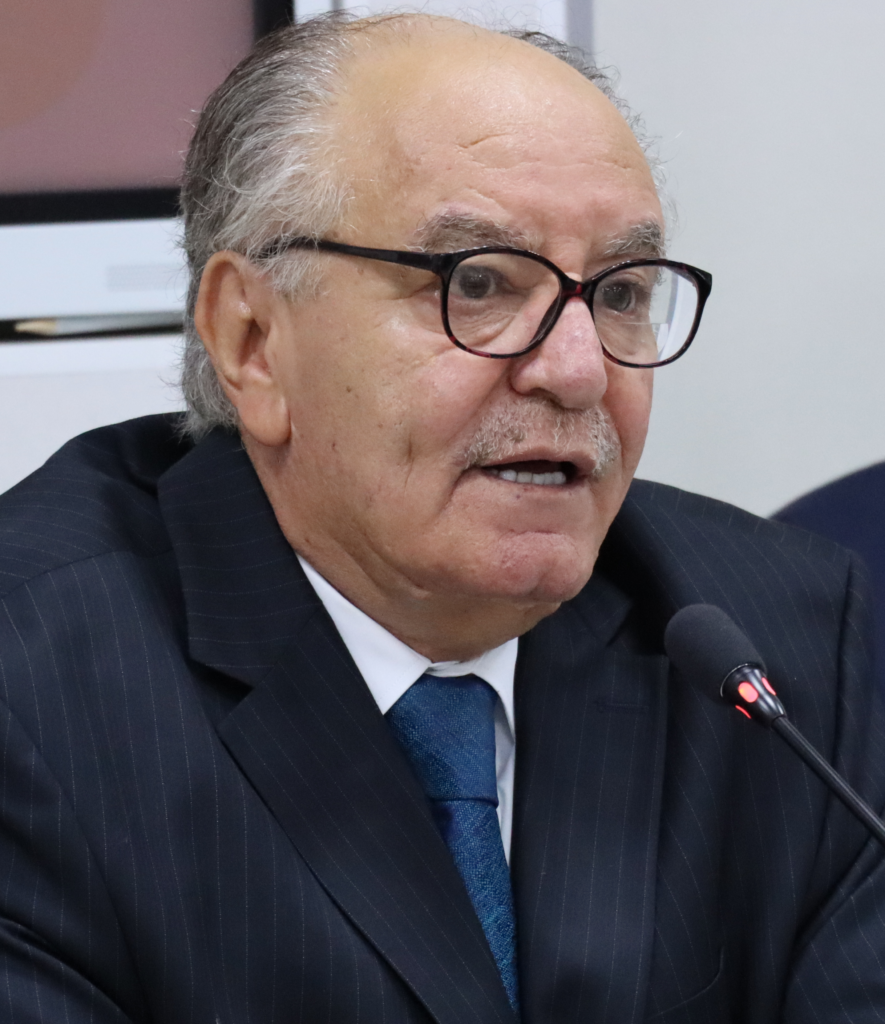
Food security expert Dr. Fadel ELZUBI told Al-Rai that the region is witnessing escalating tensions that extend beyond national borders to the core of the global economy. War is no longer confined to military confrontations on the frontlines; its effects now reach supply chains, energy prices, and international food security. This interconnection between conflict and the global economy creates a complex equation, as any disruption in the energy sector directly impacts transport and shipping costs, and consequently food prices—especially in countries heavily dependent on imports. The link between energy and food is strong: rising fuel prices increase manufacturing and distribution costs, exacerbating food poverty and heightening the fragility of global food security.
ELZUBI explained that supply chains and maritime routes have themselves become increasingly vulnerable. Any threat to vital shipping lanes or ports affects the movement of grain and agricultural raw materials. Even without direct disruption, fluctuations in shipping activity and rising insurance costs contribute to higher prices and reduced access to markets, adding another layer of complexity to the crisis. Under these conditions, international policies play a pivotal role: sanctions and economic restrictions reshape trade routes, while international cooperation, investment in smart agriculture, and development of strategic reserves can help mitigate the crisis and strengthen food security.
He emphasized that the pressing questions today concern the world’s ability to measure the actual impact of conflict on food prices in the coming months, given the interplay of maritime trade routes, energy prices, and political tensions. Developing countries face a double challenge: they can reduce reliance on imports by diversifying food sources, investing in local agriculture, and improving storage and distribution. International institutions, meanwhile, have a fundamental role in providing financial and technical support, coordinating food aid, and advising on import and storage policies. The gap between rich and poor countries becomes starkly evident in such crises: the former have stronger protective tools, while the latter remain more exposed to price volatility and urgently need international support.
ELZUBI also noted that technology is entering the frontlines of this struggle. Smart agriculture, crop improvement techniques, and advanced storage can reduce waste and boost local production, helping to ease the crisis. Looking ahead, three main scenarios can be outlined:
Scenario One: Continuous and Accelerating Escalation
If military escalation persists and attacks on ports and vital corridors increase, the world will face severe supply chain disruptions and sharp rises in fuel and transport costs. This will directly affect food production and distribution costs, intensifying price volatility and threatening strategic reserves—particularly in developing countries reliant on imports. Rising prices will strain household budgets, worsening food poverty and threatening social stability. Mitigation tools include strengthening strategic reserves, coordinating alternative international supply lines, supporting semi-autonomous agriculture, and activating emergency food mechanisms through international institutions.
Scenario Two: Partial De-escalation
If partial de-escalation occurs through temporary understandings or local truces, markets may experience relative stability despite ongoing economic restrictions. This scenario offers importing countries a limited window to improve storage and import plans, though risks remain, as prices are still subject to seasonal fluctuations. Some local markets may improve thanks to alternative supply sources, but political instability will keep caution levels high. Mitigation tools include diversifying supply sources, modernizing agricultural supply chains, strengthening national food stock planning, and encouraging regional economic cooperation.
Scenario Three: Active Diplomacy and Gradual Easing
If intensive diplomatic efforts led by international and regional actors succeed, this could result in a sustainable truce and economic understandings that reduce escalation. This scenario would allow supply chains to resume and export restrictions to ease, restoring market confidence and leading to gradual stabilization of prices and transport costs. Developing countries would be able to plan more effectively, with greater opportunities to invest in smart agriculture and supply technologies, alongside improved access to humanitarian aid and food supplies, easing financial burdens. Mitigation tools include supporting ongoing international dialogue, enhancing regional cooperation in agriculture and storage, developing smart markets and digital risk management technologies, and strengthening the role of international institutions in providing aid and alleviating the impact of restrictive economic policies.
In all cases, the greatest challenge remains protecting lives and ensuring stable access to food and medicine for millions. This requires broad international coordination, more flexible policies, and serious investment in sustainable agriculture and modern technologies. The current crisis exposes the fragility of the global food system, but at the same time opens the door to opportunities for reshaping it on fairer and more sustainable foundations.