
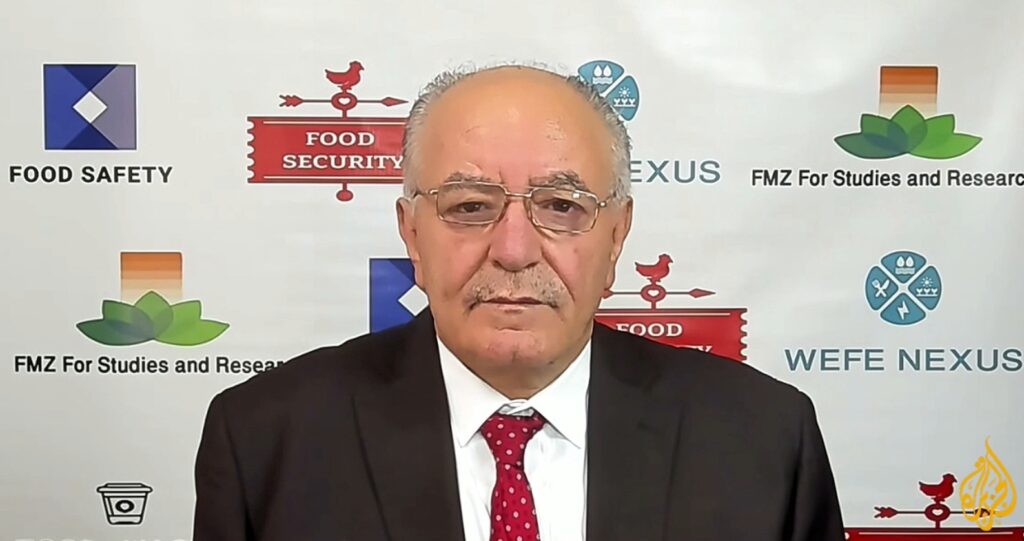
Agriculture expert Dr. Fadel ELZUBI stated that the Ministry has launched more than 63 electronic services across the plant, animal, forestry, and marketing sectors, as part of what was considered a digital transformation aimed at modernizing agricultural administration.
He added that although this step looks like a major achievement on paper, reality reveals a wide gap between ambition and application—between what is officially announced and what farmers experience in their daily lives.
Dr. ELZUBI explained that the core problem lies in the fact that these services have not reached farmers equitably. Many elderly farmers or those less familiar with technology find themselves excluded, as if the services were designed for only a limited group. In addition, weak rural infrastructure, due to the absence of high-speed internet, makes access to electronic platforms nearly impossible, depriving farmers in remote areas of any real change in their dealings with the Ministry.
He pointed out that the absence of training and capacity-building is another obstacle. This digital revolution was not accompanied by awareness programs or extensive workshops to help farmers use the platforms effectively. As a result, many remain unable to benefit from the services despite their availability, while traditional procedures continue to dominate in villages and distant regions. This geographic disparity in access reflects a flaw in planning: farmers in the capital and major cities benefit, while those in rural areas still face the same queues and old bureaucracy.
Dr. ELZUBI emphasized that the lack of clear and transparent evaluation mechanisms makes it difficult to measure the actual success of these services. The announced figures seem more like administrative achievements on paper, while in reality, trust between farmers and the Ministry has not improved as expected.
He noted that farmers believe electronic services have not reduced bureaucracy as promised, but instead added a new layer of complexity for those unfamiliar with technology. He clarified that the success of digital agriculture will not be measured by the number of electronic services, but by how far they reach the simple farmer in the most remote village, and by how much he feels the Ministry has become closer and more capable of supporting him.
Dr. ELZUBI concluded that for this to happen, the Ministry must move from the announcement stage to actual implementation, focusing on improving infrastructure, providing training and technical support, and involving farmers themselves in developing these services. Digital agriculture is not just a slogan, but a project that requires close follow-up and genuine willpower to become a tangible reality that serves all farmers.