
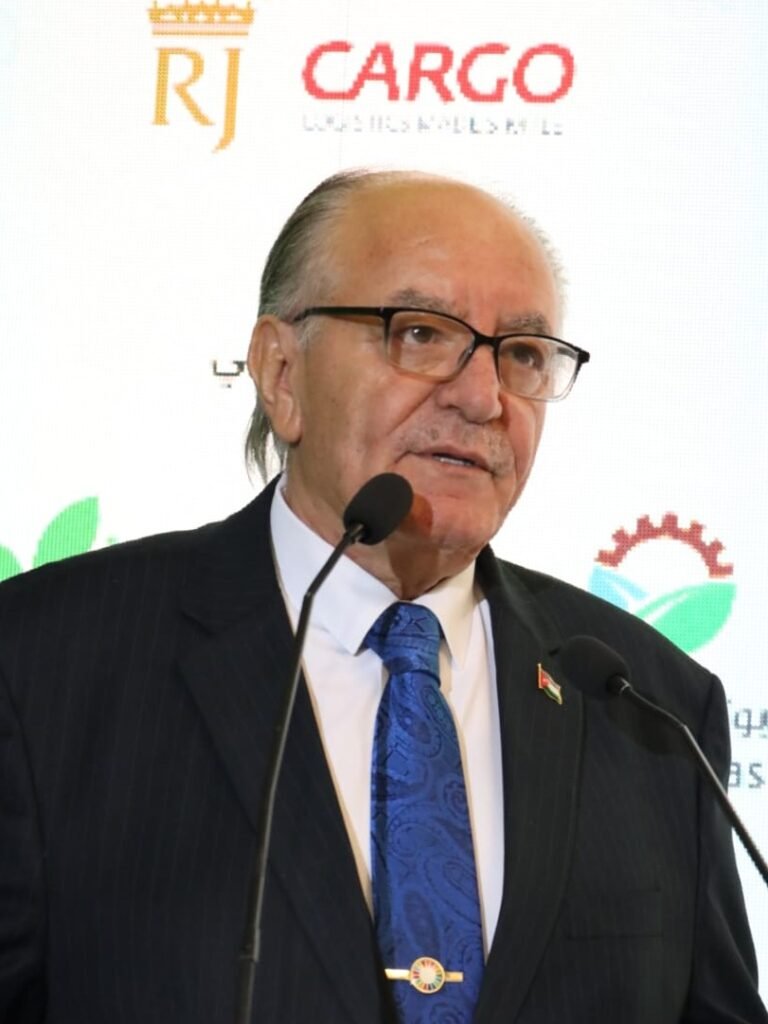
Food security expert Dr. Fadel ELZUBI explained that while El Niño’s direct impact may be limited, its effects reach Jordan through the jet stream and atmospheric waves—shaping vegetation and rainfall patterns.
He noted that 89% of Jordan’s land receives less than 200 mm of rain annually, forests cover only 1.1% of the territory, and rangeland productivity has halved since 1990. Rainfall in 2024/25 was just 44% of average. Yet, he stressed these gaps can be managed with proactive water harvesting and ecosystem planning.
Citing recent studies, ELZUBI said El Niño boosts October rainfall in the Middle East more than twofold and November rainfall by 1.5 times, but not in January–February. When coupled with the positive Indian Ocean Dipole, autumn rains in the Fertile Crescent increase—though this is a seasonal opportunity, not a guarantee of a wet winter.
Regionally, the Levant tends toward wetter conditions, while North Africa faces drought. ICARDA research links El Niño years in Morocco to wheat yield losses of 35–45% when combined with negative North Atlantic Oscillation. He pointed to financing windows such as the Green Climate Fund and the Saudi‑backed Middle East Green Initiative ($2.5 billion).
Emerging Risks:
- Early rains may trigger germination, only to be killed by later drought.
- Intense short bursts cause soil erosion and floods instead of infiltration.
- Most critically, El Niño years often coincide with extreme heat—raising evaporation, fueling wildfires, and threatening 2027 with a harsh summer.
ELZUBI urged integrating seasonal forecasts into grazing and farming decisions, timing water harvesting for autumn rains, activating fire prevention plans before summer, and expanding agricultural risk insurance to cover drought explicitly.
He highlighted Jordan’s progress: a national rangeland strategy recognizing the hima system, a drought early‑warning network, and a $44.9 million Green Climate Fund grant for integrated land management. Success stories include:
- Tell Al‑Rumman: grazing ban since 2008 boosted biomass by 30% annually, raised native species from 436 to over 600, earning UN recognition in 2026.
- Bani Hashem Hima: 36 native plant species recorded after one year of protection.
- Central Badia: ICARDA’s “Vallerani” water harvesting restored native cover in six years, cutting forest fires from ~500 in 2021 to 55 in 2024.