
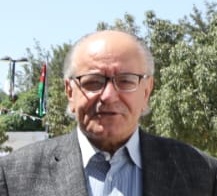
Food security expert Dr. Fadel ELZUBI explained that official statistics from the Ministry of Agriculture record about 1,400 licensed beekeepers, while field sources estimate the actual number at nearly 4,000—most operating outside the formal framework. The number of licensed hives declined from about 58,000 in 2021 to 38,500 in 2022, a reduction deliberately managed by the Ministry to curb fictitious holdings by linking licenses to national ID numbers, rather than reflecting a real drop in activity.
ELZUBI noted that annual production ranges between 700 and 800 tons, covering about 70% of domestic consumption. Jordan imports up to 1,000 tons annually, with volumes fluctuating depending on drought seasons, as seen in 2025. This gap, though close to self-sufficiency, means Jordan remains exposed to import volatility in a commodity structurally capable of being fully produced locally—if financing, regulation, and marketing constraints were addressed.
He highlighted that the Honey Festival has grown beyond a seasonal sales event. Its second edition extended to five days, featuring 60 beekeepers and 25 women engaged in rural products, after attracting more than 10,000 visitors in its first edition and generating sales exceeding 60,000 dinars.
This growth reflects the role of the Jordanian Beekeepers’ Union as a professional institution that goes beyond representing beekeepers’ interests to leading sector modernization. It has signed cooperation agreements with the Food and Agriculture Organization (FAO) to develop modern apiary management, and with the Agricultural Credit Corporation to provide accessible financing that opens the door for youth investment in beekeeping.
ELZUBI stressed that the priority is not more promotional events, but rather integrating pollination services into national agricultural policies as an economic service in its own right, regulating pesticide use to protect pollinators, expanding nectar-rich plantings along irrigation projects, and establishing a reliable national system to track honey quality. Such measures would shield local production from fraud and competition with low-quality imported honey. Without them, the sector will remain captive to fragmented individual effort instead of becoming an institutional pillar of Jordan’s food security system.
He concluded that the future of Jordanian agriculture will not be measured by the number of hives, but by the state’s ability to protect this environmental and economic resource as agricultural infrastructure no less vital than water sources or arable land.