
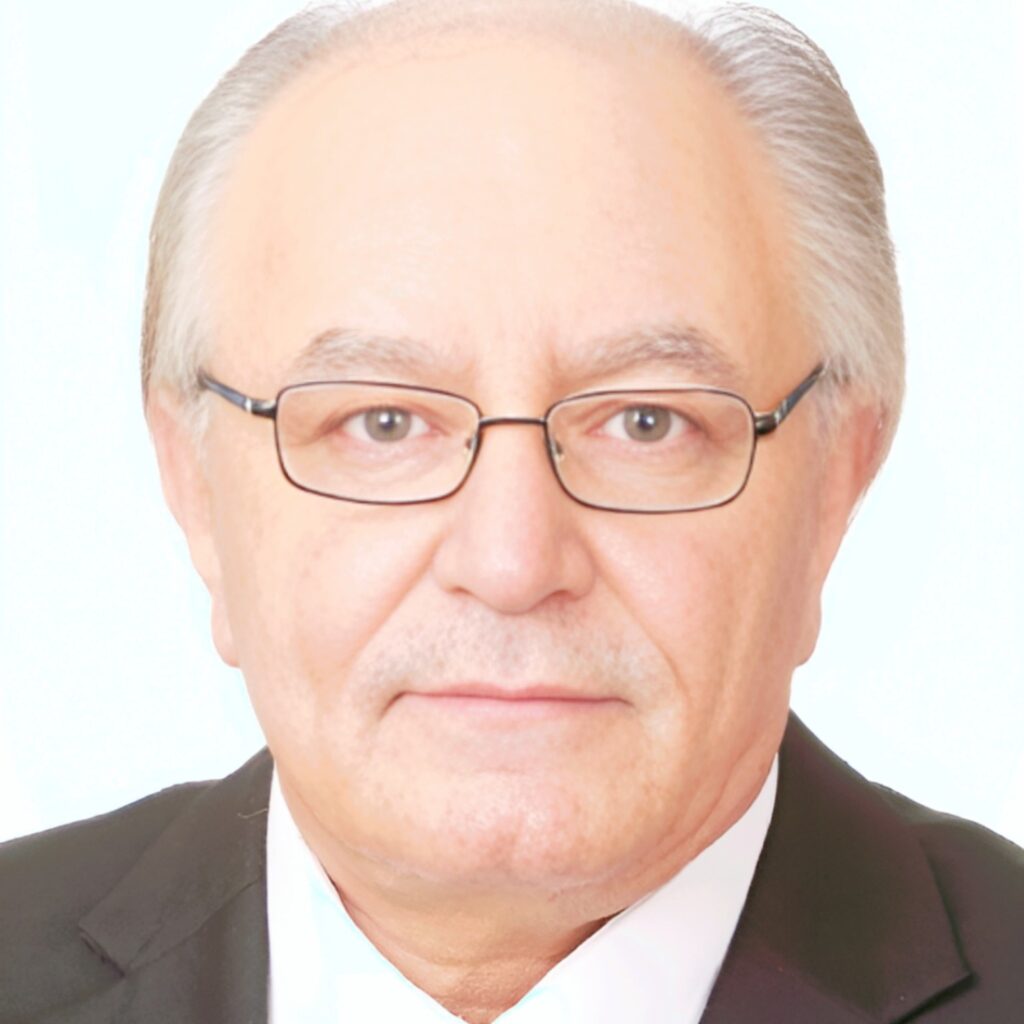
ELZUBI to Al-Ghad: Agricultural Extension Forum – Timing and Pressures
Food security expert Dr. Fadel ELZUBI sees the forum’s launch as timely—where water scarcity, rising input costs, and climate stress converge. He calls it a national platform meant to reset the relationship between state, farmer, and knowledge.
He notes the move aligns with global and regional shifts toward integrated, participatory, and digital extension models. Yet its real test is singular: will the forum become an execution tool, or remain another coordinating frame?
Officially, Jordan is positioned as a regional model—advancing digital transformation and climate‑smart farming. The 2024–2030 plan outlines modernization, partnerships, and an interactive platform offering data‑driven advice, e‑training, and direct farmer engagement, tied also to the Arab Extension Forum.
But beyond official language, ELZUBI warns of structural gaps: fewer field advisors over two decades, widening distance between technical recommendations and small farmers’ ability to apply them under tight margins and high costs. The sharper question: can digital extension truly reach farmers in the Jordan Valley or southern highlands—do they have connectivity, skills, and trust?
He raises further issues: does the forum hold decision power, or is it a voluntary coordination shell? Are measurable performance indicators set—so in two or three years we can judge if water efficiency improved or climate‑smart practices spread—or will evaluation remain trapped in vague terms like “support” and “integration”? What prevents this forum from fading into archives like past initiatives?
ELZUBI stresses: critique is not dismissal, but framing success conditions. Moving from traditional extension to a multi‑actor system needs more than a digital platform—it requires re‑skilling field staff, empowering cooperatives, clear governance on who decides, funds, and is accountable, and real integration with water, trade, and subsidy policies. Extension cannot ask farmers to shift to low‑water crops without fair water pricing and stable markets.
Practically, he sees three parallel tracks for success:
- Build an open national database on farmers, holdings, and practices to guide decisions and measure impact.
- Design a “hybrid extension” model—field visits plus digital service—with priority for smallholders and rural women.
- Link extension funding to verifiable results, not routine procedures, via performance‑based contracts with private sector and civil society.
Finally, he suggests the forum be subject to independent periodic review, published openly, to sustain public trust and political momentum.